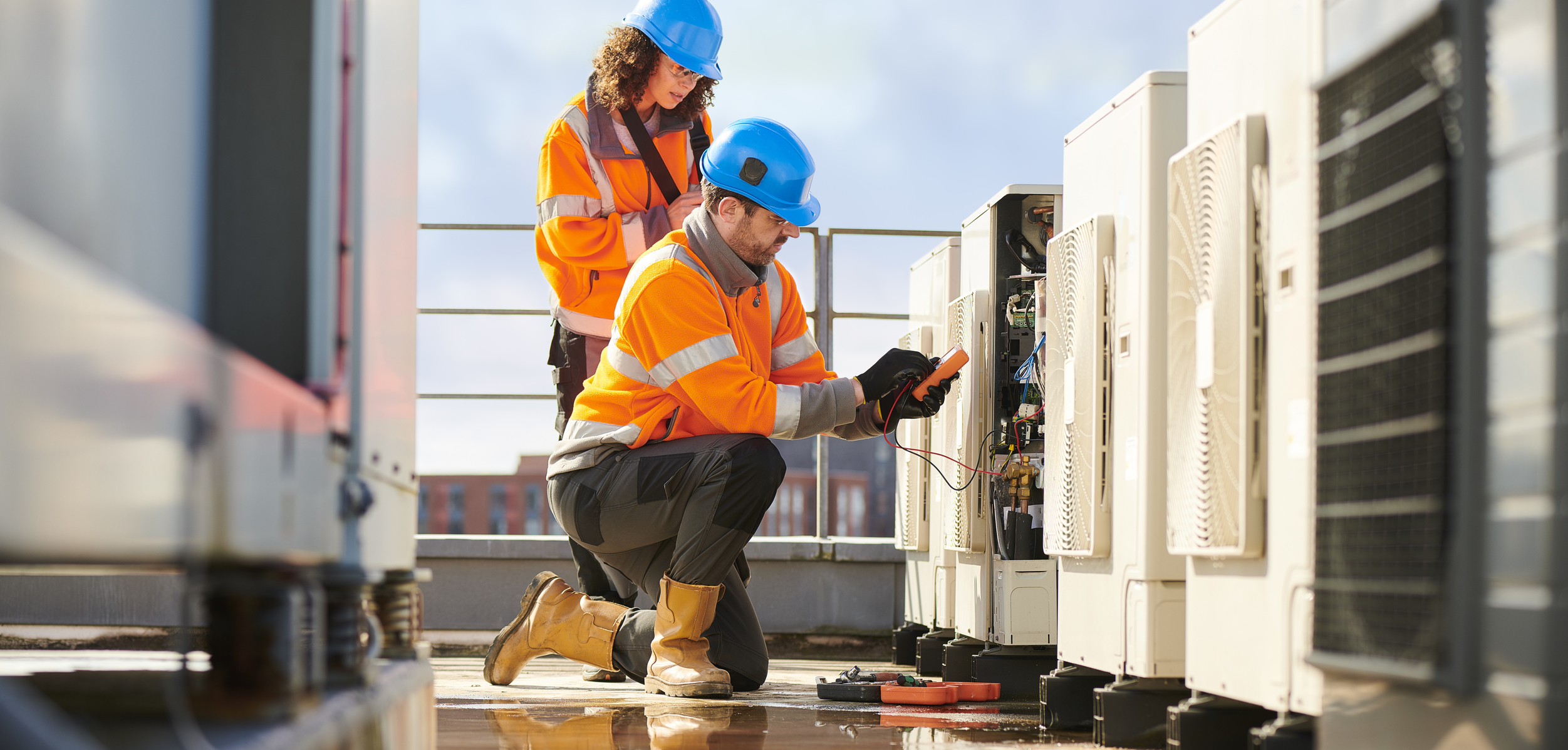
Understanding HVAC Installation for New Construction
HVAC installation in new construction is a critical aspect that ensures optimal indoor climate control. It involves the integration of heating, ventilation, and air conditioning systems tailored to the specific needs of a newly built structure.
By incorporating energy-efficient HVAC solutions, homeowners can significantly enhance comfort levels while also reducing energy costs. New construction projects allow for the seamless installation of ductwork and equipment that can be strategically placed to maximize efficiency and performance.
The Importance of Choosing the Right HVAC System
Selecting the appropriate HVAC system is essential for maximizing home comfort and energy efficiency. Factors such as the size of the home, local climate, and specific heating and cooling needs play a vital role in this decision-making process.
For instance, a heat pump may be ideal for milder climates, while a more robust furnace might be necessary in areas with harsher winters. Consulting with HVAC professionals can help homeowners make informed choices that align with their specific requirements and budget.
Common HVAC Installation Challenges in New Construction
While installing HVAC systems in new construction offers many advantages, certain challenges can arise. These may include ensuring proper duct sizing, managing airflow, and integrating the system with other building technologies.
Addressing these challenges early in the construction process can prevent costly adjustments later on. Engaging experienced HVAC contractors who understand the nuances of new construction can mitigate these issues and ensure a smooth installation process.
Maintenance Tips for New HVAC Systems
Regular maintenance is crucial for ensuring the longevity and efficiency of newly installed HVAC systems. Homeowners should schedule routine inspections and cleanings to keep their systems operating at peak performance.
Additionally, changing air filters regularly and monitoring system performance can help identify potential issues before they escalate. By prioritizing maintenance, homeowners can enjoy the full benefits of their HVAC investment while avoiding unexpected repair costs.